Climate Justice
Our work on climate and environmental justice is built on the understanding that, “The impacts of climate change will not be borne equally or fairly, between rich and poor, women and men, and older and younger generations.” Climate change is not only an issue of environmental conservation, but also an issue of justice and human rights. While those most responsible for climate change are relatively insulated from its impacts, it is those who have contributed least that are likely to feel the effects most significantly. Various reports on who’s causing climate change, including one 2020 report co-published by Oxfam and the Stockholm Environment Institute, show that there is a gap between those who are most responsible for the climate crisis and those who are most burdened by it. According to the Oxfam/SEI study, between 1990 and 2015, the richest 1% of the global population caused twice as many carbon emissions as the poorest 50%. Critically, many people in that 50% group are part of MAPA (Most affected people and areas), the most affected people and areas when it comes to global warming <br>
Climate vulnerability depends not only on the impacts of climate change on a country or community but on their ability to deal with these impacts. Communities experiencing extreme poverty have the fewest resources and little capacity to adapt and therefore are the most vulnerable. Yet at the same time, communities who bear the brunt of the climate crisis are the ones most left out – their voices are not heard and they are absent from decision making processes on how to address this crisis.
Our climate and environmental justice work therefore will:
- Lobby for progressive climate financing and paying for ‘Loss and Damage’ (climate reparations)
- Promote climate education through the climate justice academy, advancement of indigenous knowledge on climate issues and use of localized climate education materials. We will empower community-based organisations with photojournalism skills and support them with resources to capture and document the loss and damages experienced in their communities. (Challenge the systemic exclusion of Global South thought leadership and indigenous practices in addressing the climate crisis by promoting and amplifying African thought leadership and indigenous knowledge)
- Contribute to regional climate change research through sponsoring undergraduate Research Projects, dissemination and contributions towards climate policy.(Confront the gendered impact of the climate crisis, ensuring that gender equality is considered and mainstreamed in all climate interventions ). Our research platform will be centered on africa action, sustainability, inclusion and community-led solutions)
- Advocate and increase awareness through influencing policy, strengthen community voices and action as well as building youth led movements on climate issues. Advocacy including amplifying community voices to demand climate financing on Loss and Damage. (Amplify and centre community voices in the climate discourse and decision making spaces and processes)
- Lobby for a more independent climate insurance to communities most vulnerable to climatic shocks.
Our Programme initiatives
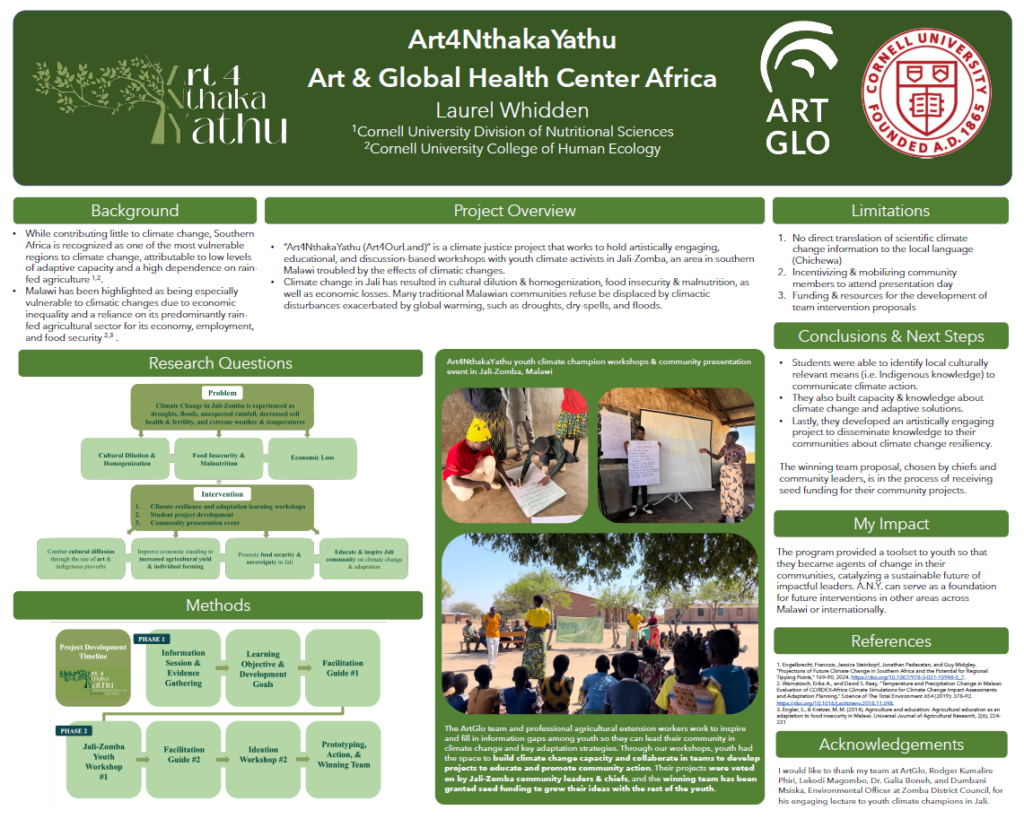
Art for Nthaka Yathu
Art4NthakaYathu (Art4OurLand) is a climate justice project that works to hold artistically engaging, educational, and discussion-based workshops with youth climate activists in Jali, Zomba. The intervention aimed at strengthening community resilience through building, nurturing and nourishing the capacities of youth champions for climate change and health.
Project Update
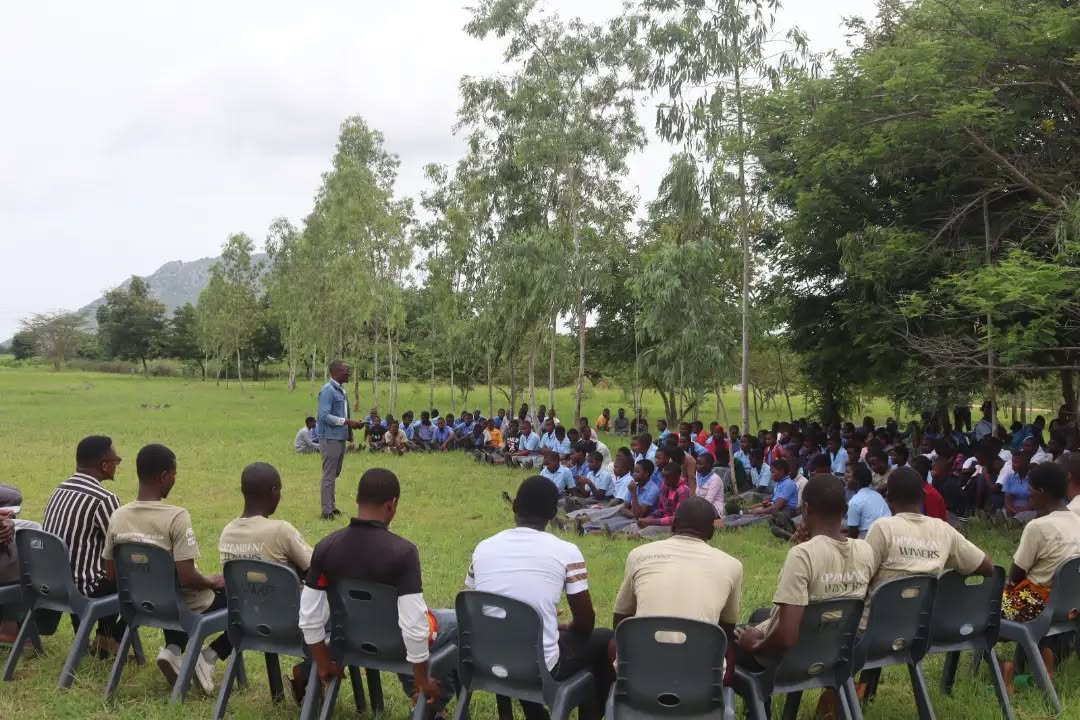
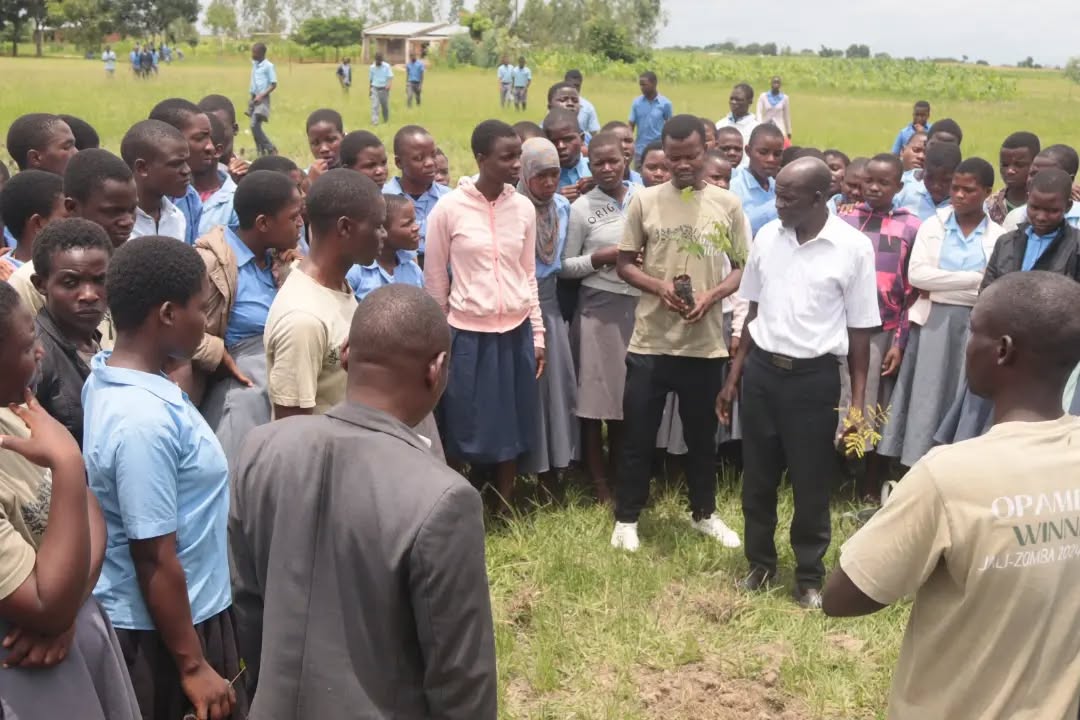
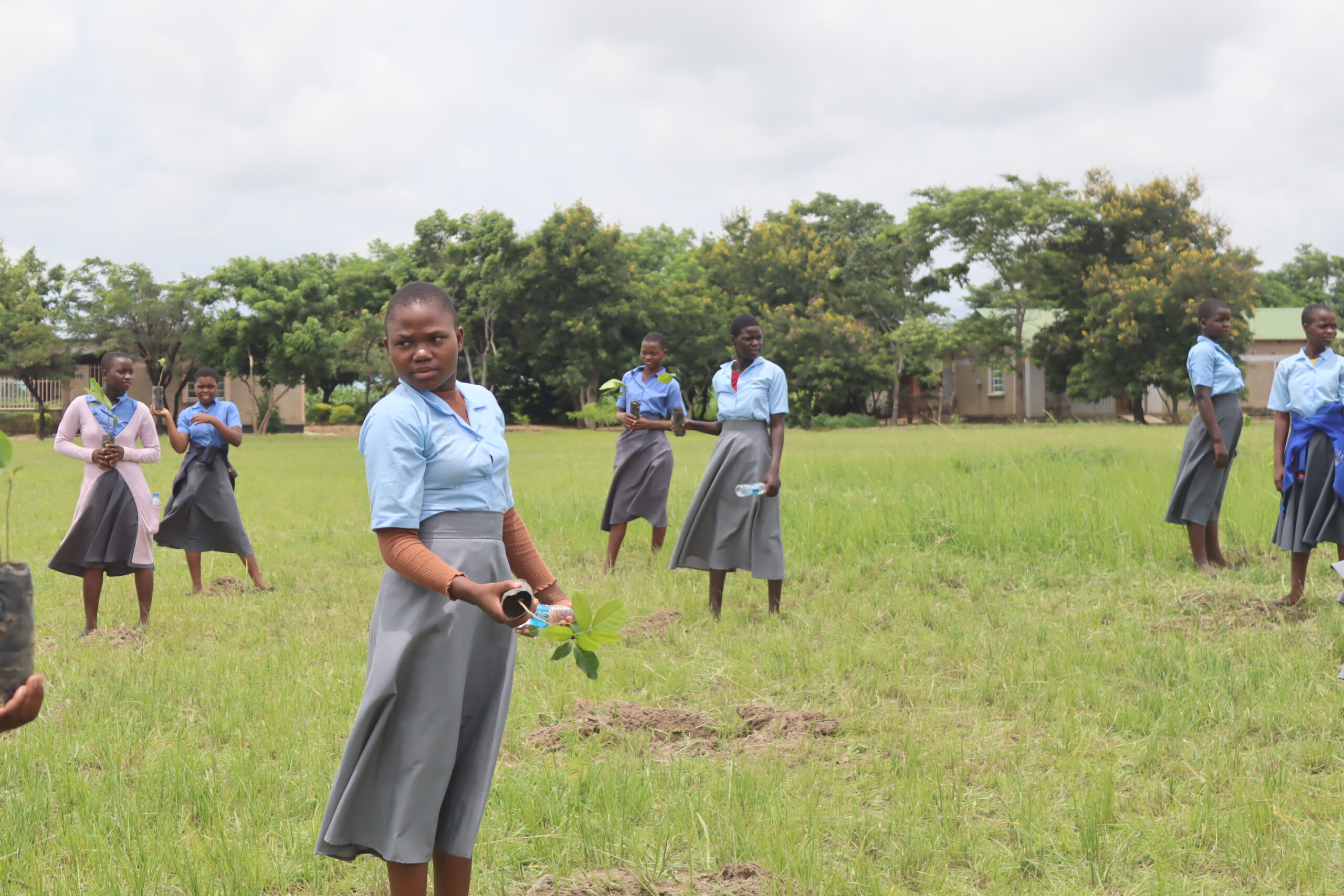
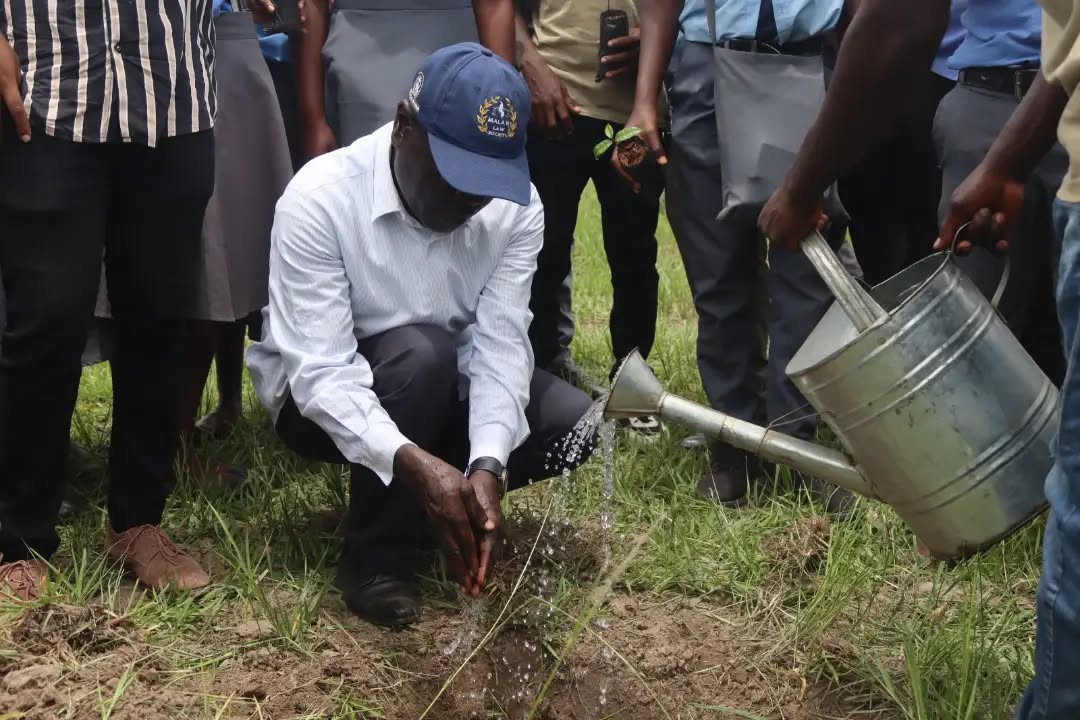
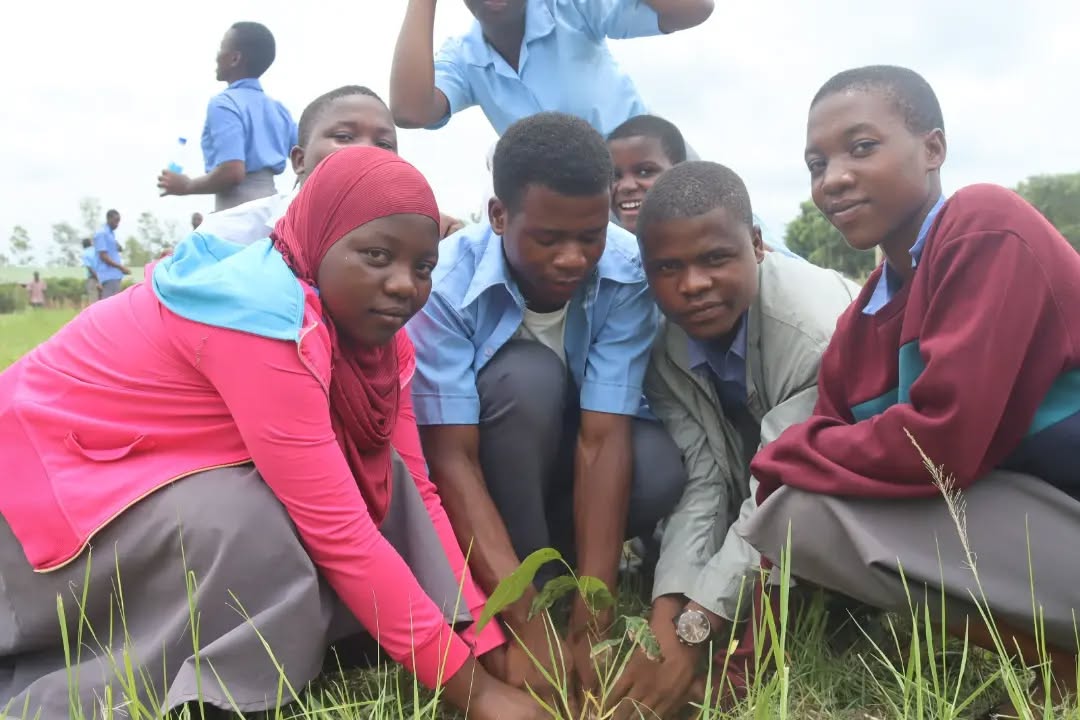
As part of the ongoing Art4Nthaka Yathu project, ArtGlo continues to engage students and youth champions in Zomba District to promote environmental conservation and climate action. On 14 January 2026, the project distributed 1,500 tree seedlings to Umodzi, St Paul’s, and Chitambala Community Day Secondary Schools, followed by a tree planting exercise at Umodzi CDSS. The initiative aimed to foster youth leadership, encourage sustainable practices, and strengthen community stewardship of the environment.
The activity brought together students, teachers, youth champions, a District Forestry Assistant, and personnel from the Zomba District Youth Office, all working together to plant trees carefully selected for their environmental, economic, and ecological value, including Mibawa, Guava, Acacia, Bluegum, Jacaranda, and Mulilira.
Through this initiative, ArtGlo has supported the planting of nearly 3,000 trees in TA Lamusi, Zomba District since 2024, helping to build resilient communities and inspiring young people to take an active role in climate action.
Arts for Climate Action in Loss and Damage Phase II Project Update
Building on the foundational insights and achievements of Phase I, Art and Global Health Centre Africa (ArtGlo), in partnership with Churches Action in Relief and Development (CARD), Catholic Development Commission in Malawi (CADECOM), and supported by the Scottish International Aid Fund (SCIAF) through Trocaire, embarked on "Arts for Climate Action in Loss and Damage Phase II." This initiative aimed to address the extensive, yet often overlooked, non-economic loss and damage (NELD) resulting from human induced climate change.
Phase II was motivated by the urgent need to further explore impacts of NELD and raise awareness on the measures taken to address some of the devastating impacts using participatory arts approaches. The project sought to raise awareness on mental health detection and referral systems and reinforce community support for CARD and CADECOM’s initiatives, such as utilization of micro-grants, vocational training, and bamboo/tree planting.
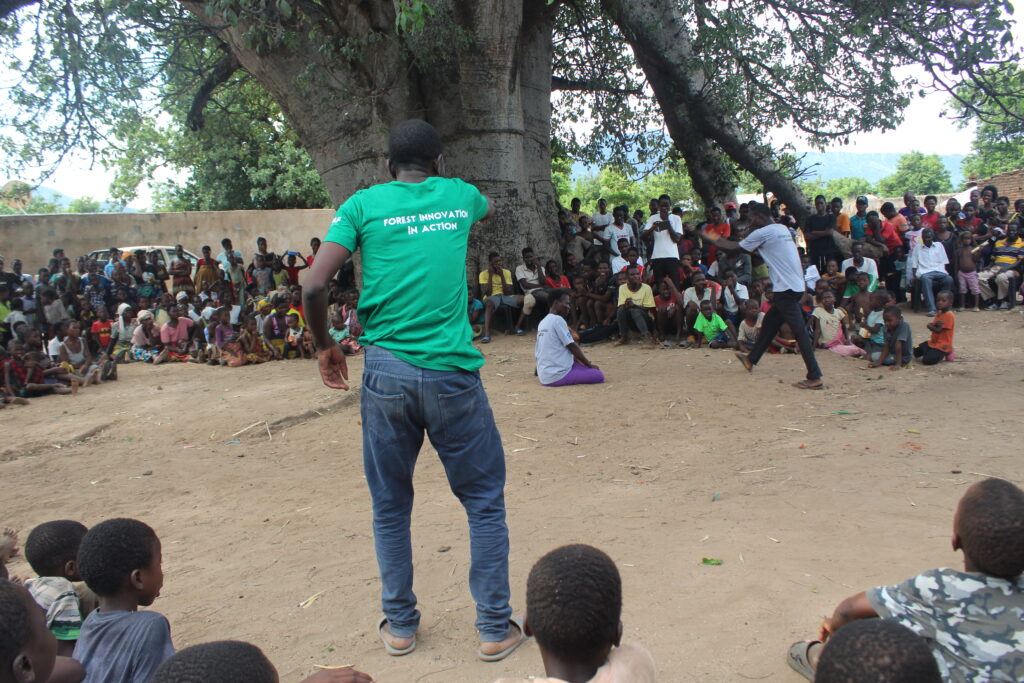
Art for Climate Action in Loss and Damage Phase I
The three-month research project was aimed at understanding and documenting non-economic loss and damage (NELD) due to the impacts of climate change across the ten GVHs in Nsanje and Zomba. The project utilized the Communication for Development (C4D) approaches, including participatory arts performances, Photojournalism, and Umunthu circles. Existing community structures were at the center of research, community mobilization, performances, and documentation leading to the understanding of NELDs related to human functions, socio-cultural assets, and environmental assets.
Such structures included youth clubs, massroot organizations, and Drama clubs that showcased their findings in the targeted communities through performances, images, songs, and other forms of art. These were built on the lived experiences and further created a safe space for the wider community to open up about loss and damage. Through these engagements, it was revealed that climate change has fueled GBV; negatively impacted both mental and physical health; and led to the loss of cultural heritage among others.
Sex For Fish Research - Lake Chilwa
The ongoing research project on Sex for Fish focuses on Chisi Island and Kachulu, two fishing communities along Lake Chilwa in Zomba District. It examines how transactional sexual relationships intersect with climate change, health, and livelihoods, and how broader social, economic, and environmental pressures shape these practices. The project is being carried out in collaboration with Nilanjana Ganguli, a PhD candidate from the University of York, and supported by the Zomba District Health Office and the Department of Fisheries.
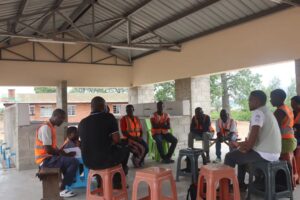
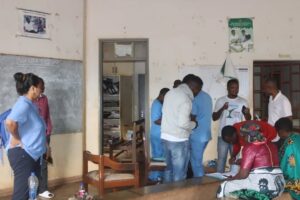
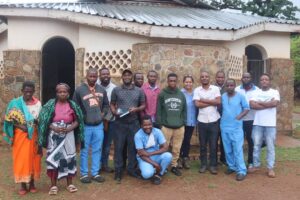
The research uses participatory, community-centred approaches, including community entry meetings and focus group discussions with Beach Village Committees (BVCs), health workers, and community members. Existing local structures were central to the research, mobilisation, and discussions, ensuring that the project reflects the communities’ experiences and perspectives. Through these engagements, participants shared valuable insights into the links between fishing livelihoods, gendered power dynamics, health risks, and transactional relationships.
This process created a safe space for dialogue and allowed community voices to guide the research and shape future actions. Overall, the research contributes to amplifying local knowledge, enhancing dialogue, and promoting resilience and equity in communities affected by climate change and health challenges.